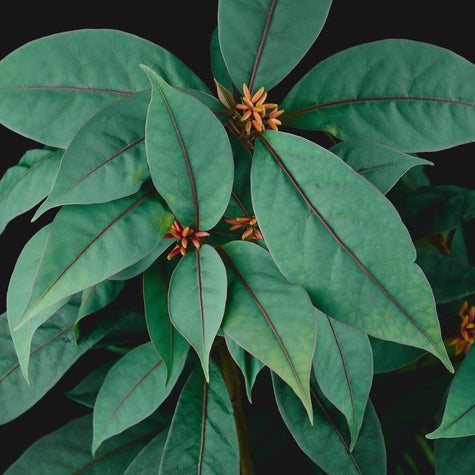
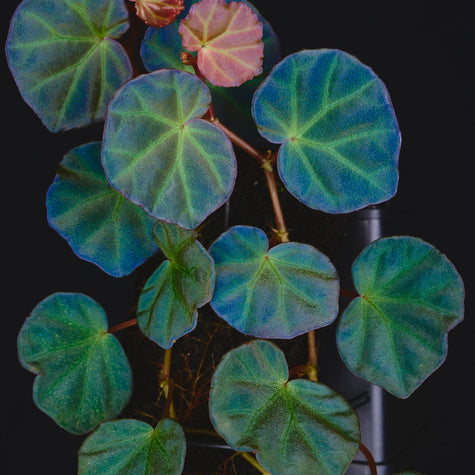
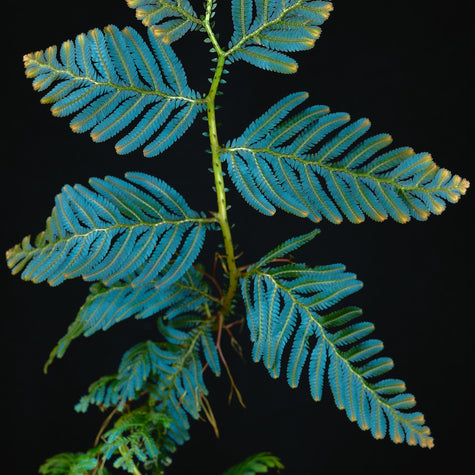
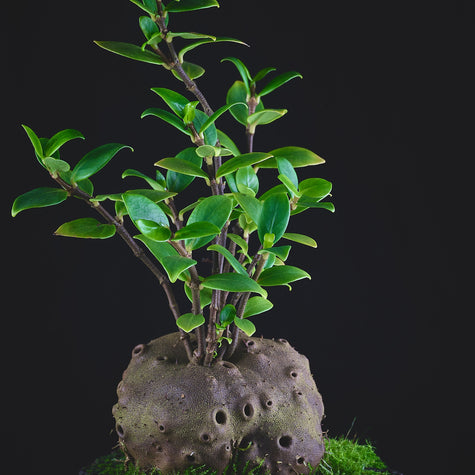
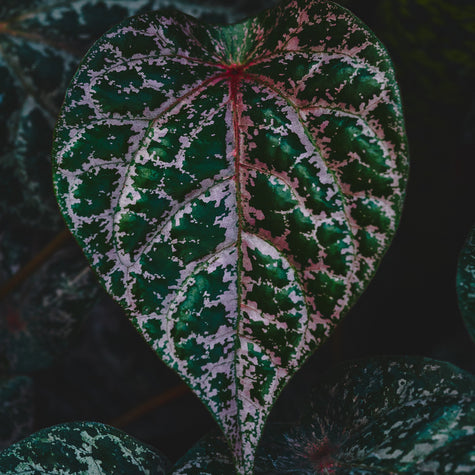
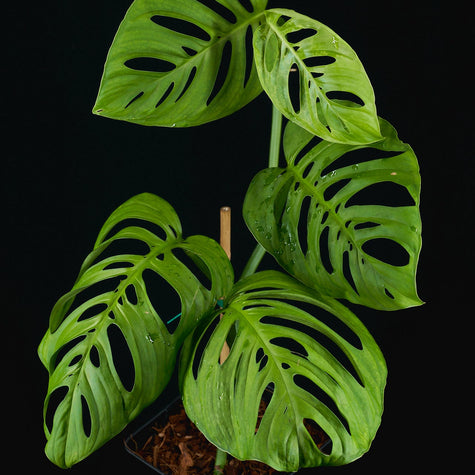
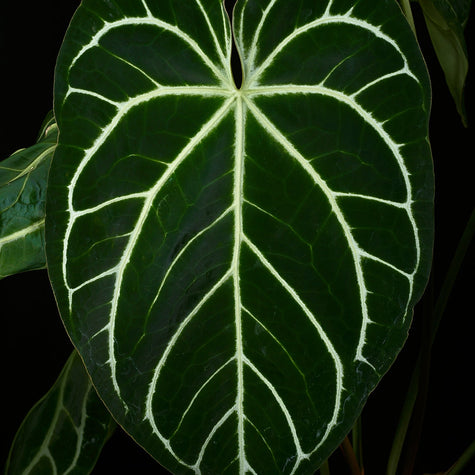
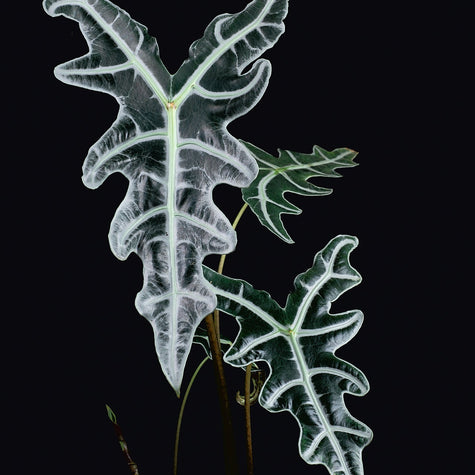
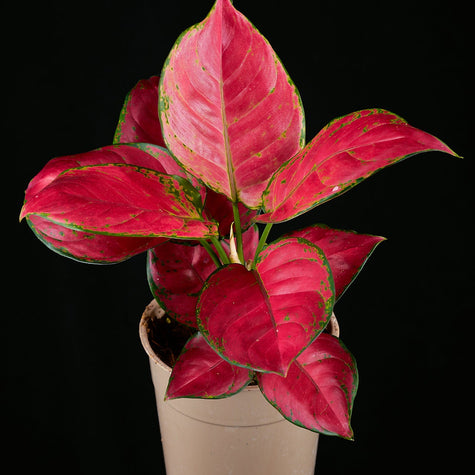
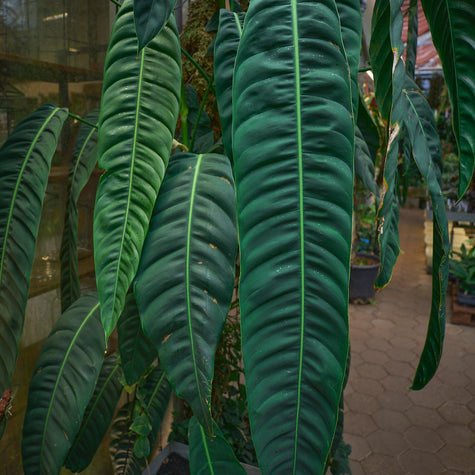
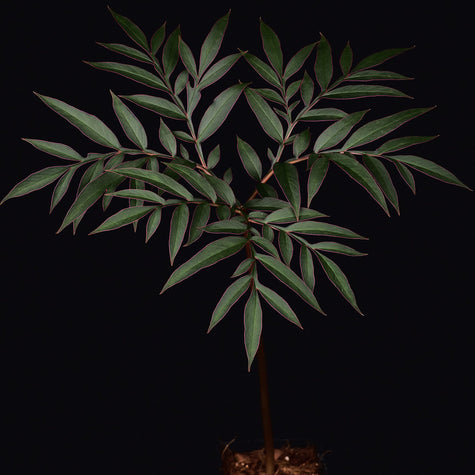
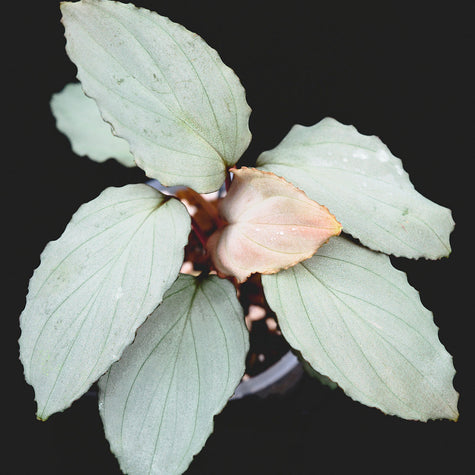
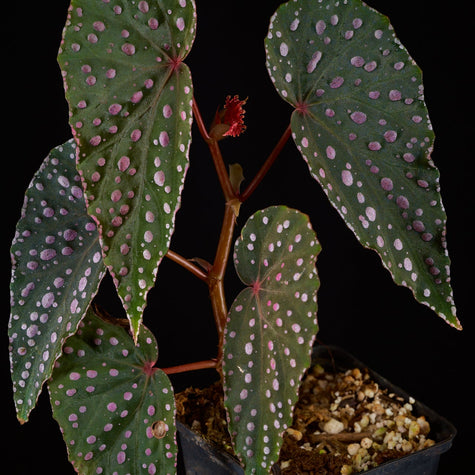
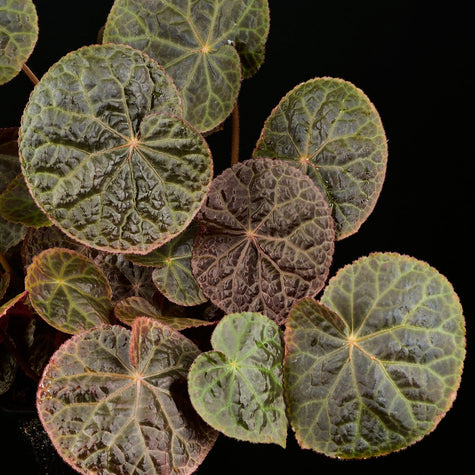
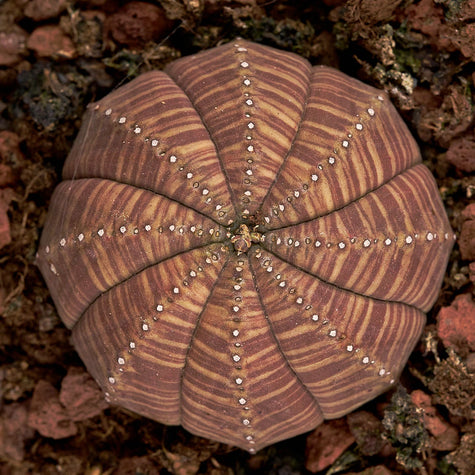
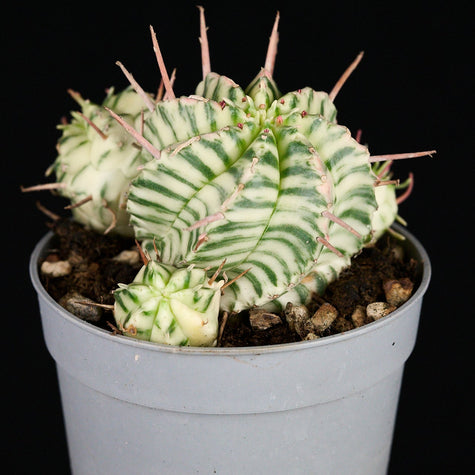
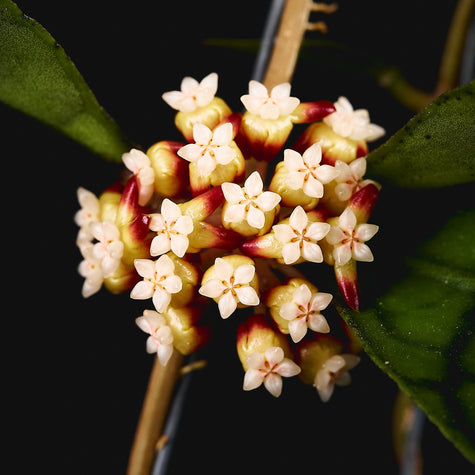
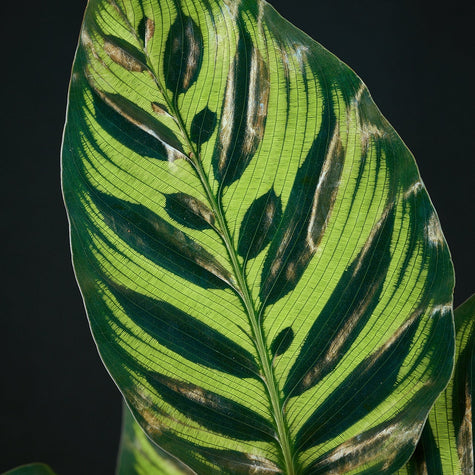
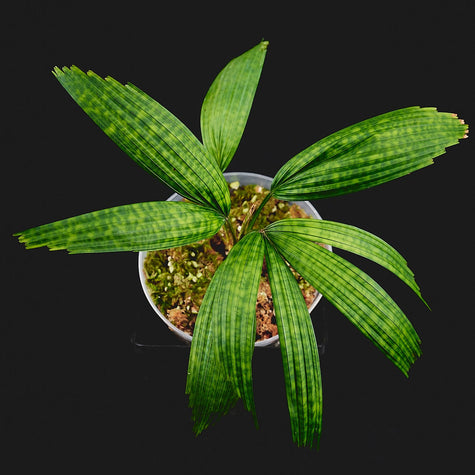
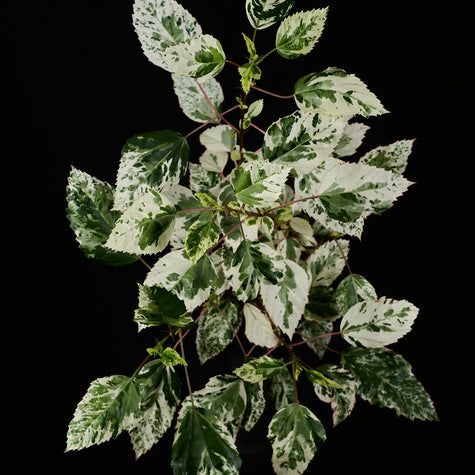
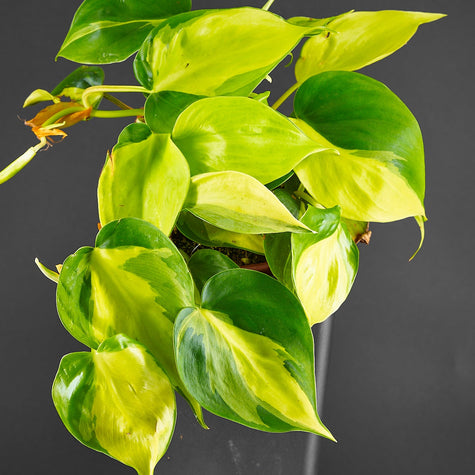
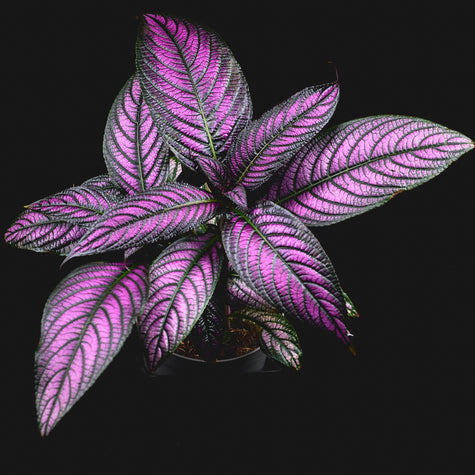
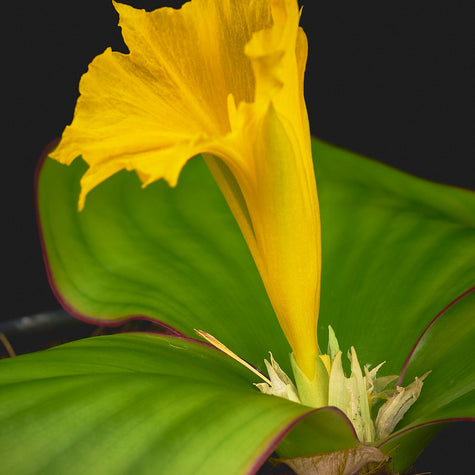


Alocasia gageana
9,99€ EUR
/
Sold out
Tax included.
Shipping calculated at checkout.
Decorative houseplant for people with plenty of space. Usually stays small and grows slower at room temperature. Very easy to care for.
 Alocasia gageana
9,99€ EUR
/
Alocasia gageana
9,99€ EUR
/

Alocasia gageana
9,99€ EUR
/
products.product.pickup_availability.unavailable
Description
Alocasia gageana is an easy-care, decorative houseplant for people with plenty of space. This plant can grow quite large and expansive, but usually remains smaller and grows slower when grown indoors. Overall, it can reach about 1.80 m in height and up to 1.20 m in width. It is very easy to care for and therefore also suitable for beginners.
Care tips
Light & Location
Substrate & Repotting
Watering & Fertilizing
What makes us at Jungle Leaves special!


Welcome
Bring the Tropic to Your Home
Jungle Leaves is a team of 3 biologists who breed, propagate and sell extraordinary and unique plants from all over the world, also in cooperation with botanical gardens.