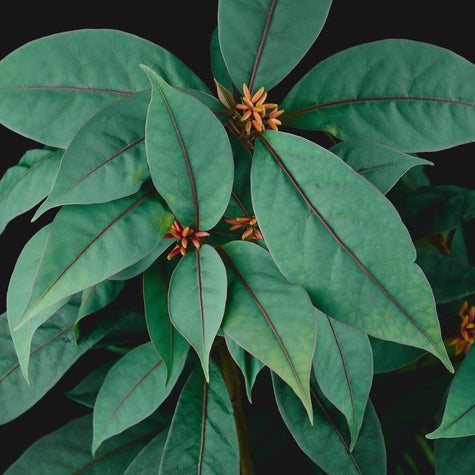
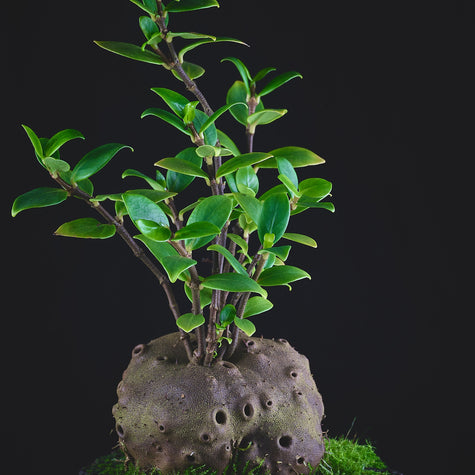
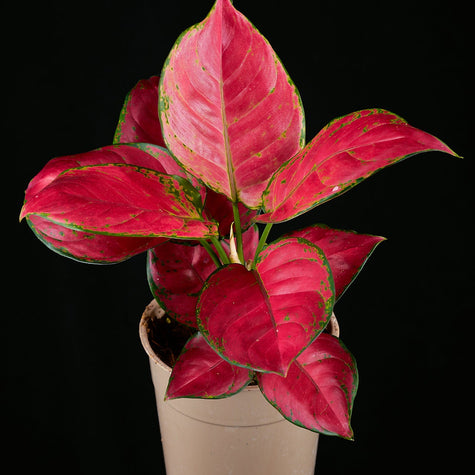
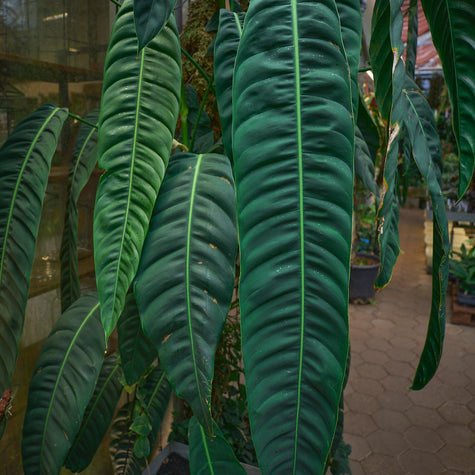
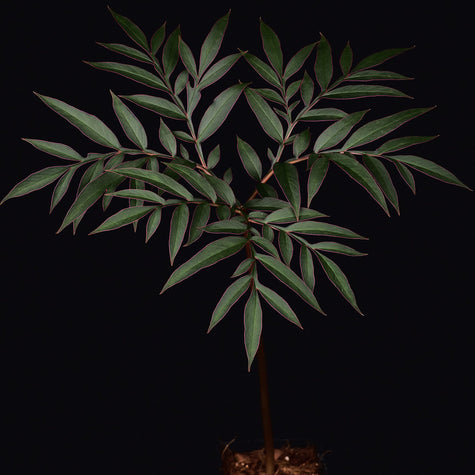
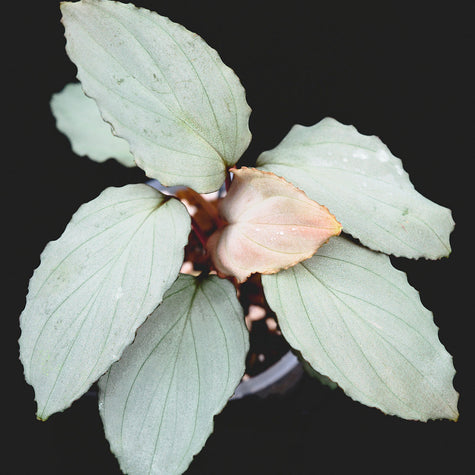
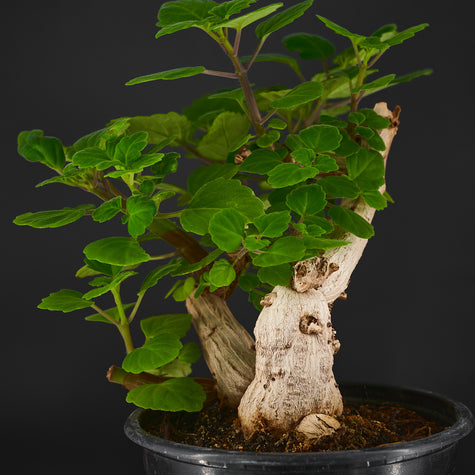
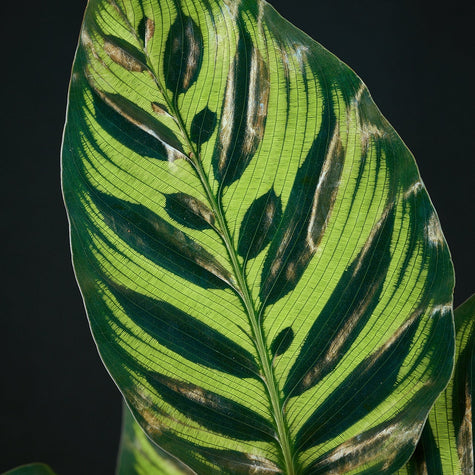
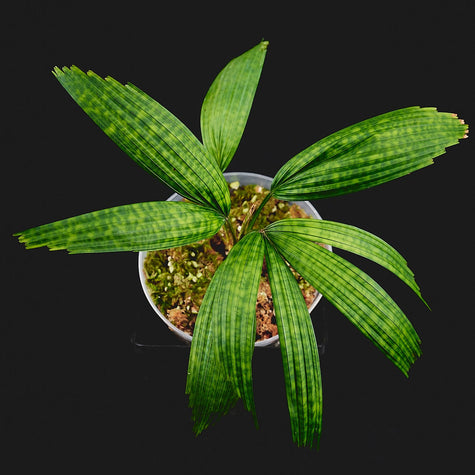
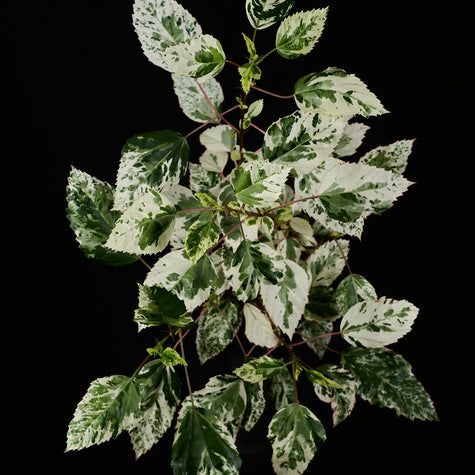
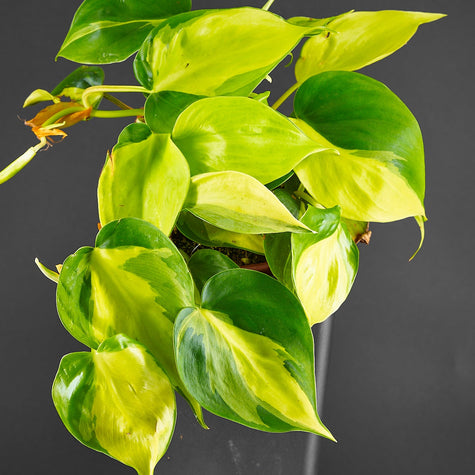


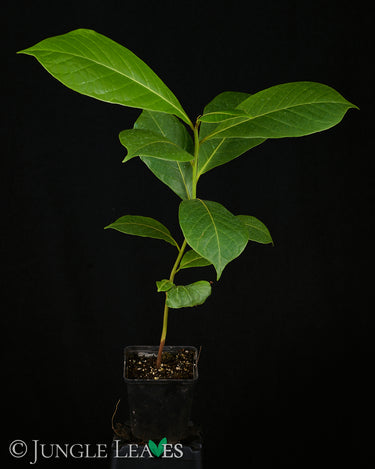


Terminalia catappa (sea almond tree)
14,99€ EUR
/
Sold out
Tax included.
Shipping calculated at checkout.
The real Sea Almond Tree for home or greenhouse! Leaves can be used for water treatment in aquariums.
 Terminalia catappa (sea almond tree)
14,99€ EUR
/
Terminalia catappa (sea almond tree)
14,99€ EUR
/

Terminalia catappa (sea almond tree)
14,99€ EUR
/
products.product.pickup_availability.unavailable
Description
The Indian almond tree, also known as the katappen tree, has gained widespread popularity in aquariums due to the use of its leaves for water treatment.
All parts of the plant contain significant amounts of antibiotic, antifungal, and anti-inflammatory substances, thus helping to maintain the health of aquarium fauna. Spawning readiness increases, and fungal infections of the eggs are directly prevented.
With this plant, you can grow your own Indian almond leaves and save money by using them for your aquarium.
Just make sure they dry beforehand, as the tree regularly sheds old leaves.
However, it is also a very attractive and easy-care indoor or conservatory plant.
Originally from Southeast Asia, it is now found in coastal areas of many tropical seas. In some countries, this tree is therefore already considered an archaeophyte and part of the native flora.
Both the seed coat and the seed ("sea almond") are edible, but only the seed is truly edible.
The sea almond tree belongs to the Combretaceae family within the myrtle order.
All parts of the plant contain significant amounts of antibiotic, antifungal, and anti-inflammatory substances, thus helping to maintain the health of aquarium fauna. Spawning readiness increases, and fungal infections of the eggs are directly prevented.
With this plant, you can grow your own Indian almond leaves and save money by using them for your aquarium.
Just make sure they dry beforehand, as the tree regularly sheds old leaves.
However, it is also a very attractive and easy-care indoor or conservatory plant.
Originally from Southeast Asia, it is now found in coastal areas of many tropical seas. In some countries, this tree is therefore already considered an archaeophyte and part of the native flora.
Both the seed coat and the seed ("sea almond") are edible, but only the seed is truly edible.
The sea almond tree belongs to the Combretaceae family within the myrtle order.
Care tips
Light & Location
Substrate & Repotting
Watering & Fertilizing
What makes us at Jungle Leaves special!


Welcome
Bring the Tropic to Your Home
Jungle Leaves is a team of 3 biologists who breed, propagate and sell extraordinary and unique plants from all over the world, also in cooperation with botanical gardens.