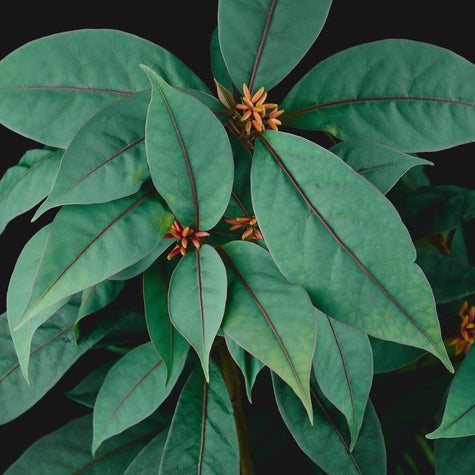
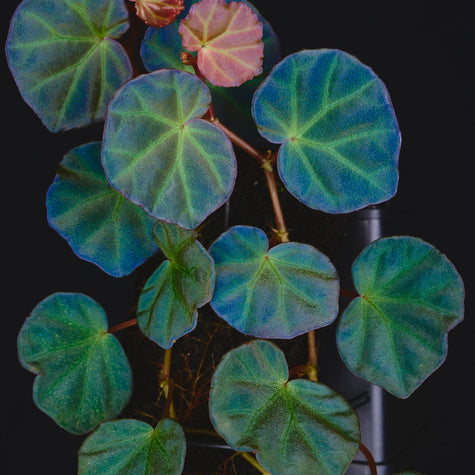
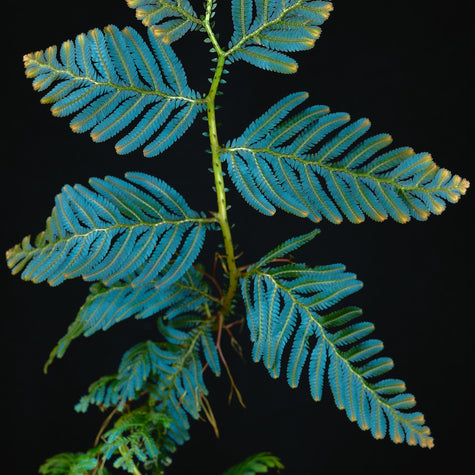
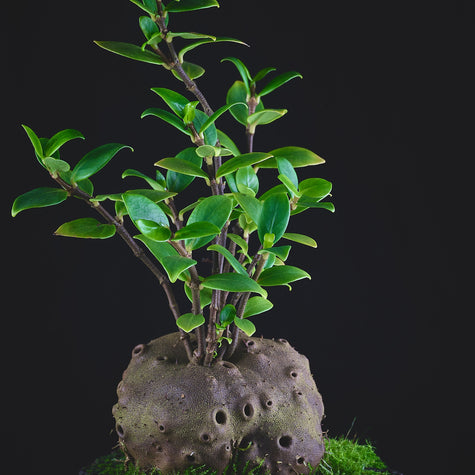



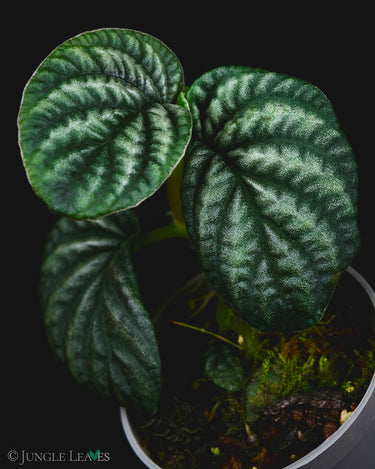


Acranthera sp. 'Kapuas Hulu'
29,99€ EUR
/
Sold out
Tax included.
Shipping calculated at checkout.
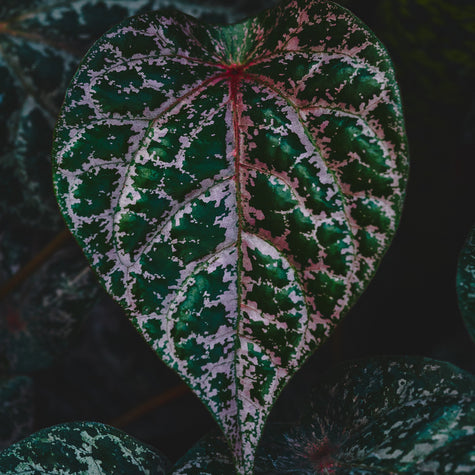
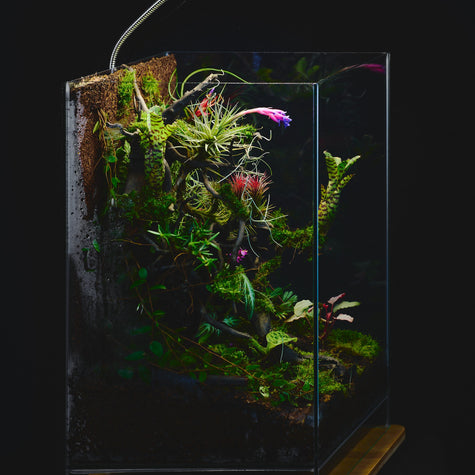
Rare, slow-climbing oddity from Borneo. Bullate and bicolor patterned leaves. Only for very humid terrariums.
 Acranthera sp. 'Kapuas Hulu'
29,99€ EUR
/
Acranthera sp. 'Kapuas Hulu'
29,99€ EUR
/

Acranthera sp. 'Kapuas Hulu'
29,99€ EUR
/
products.product.pickup_availability.unavailable
Description
Although we are selling this plant here as an Acranthera sp., it is likely a different genus! However, it is currently being sold under this name, and we will continue to use it until it flowers here, even though we are quite certain it is incorrect. We suspect it is more likely an Argostemma (at least then the family would be the same, Rubiaceae), or it could also be a Gesneriaceae from the tribe Trichosporeae, e.g., Agalmyla . We will update this description as soon as the plant has flowered here and we can identify it more precisely.
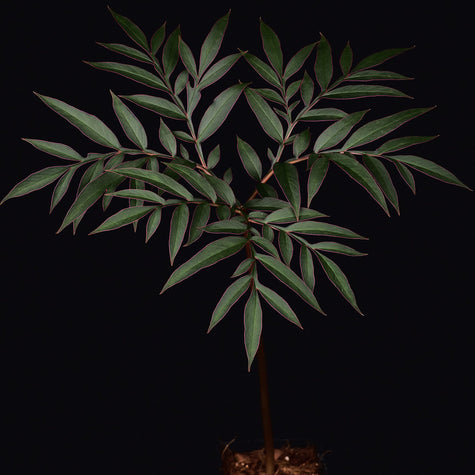
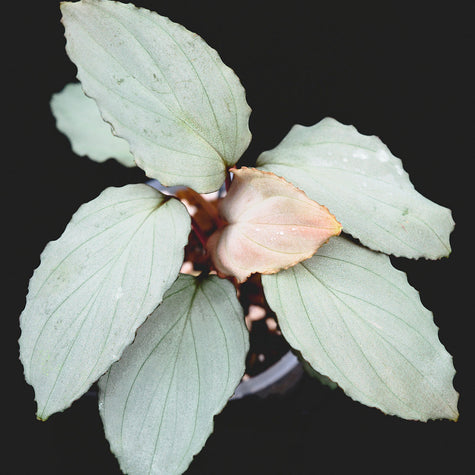
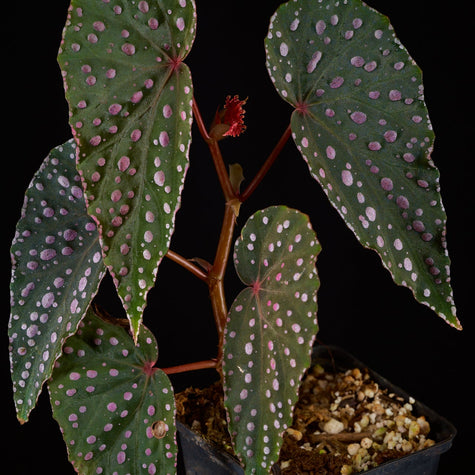
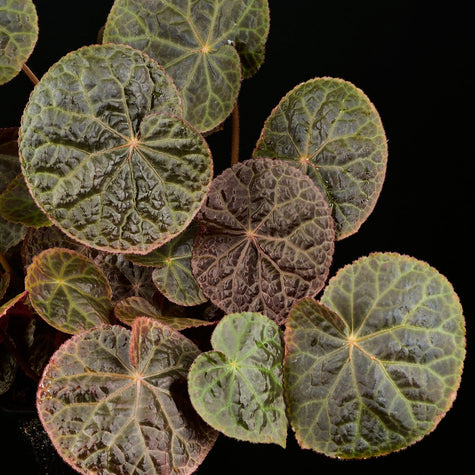
Whatever its proper name may be, this is a small, slow-growing climbing plant from near Tanjung, Mentebah, in the Kapuas Hulu district of the Indonesian province of Kalimantan Barat on Borneo. There, it grows on damp, moss-covered stones. In our climate, it only reaches a height of about 10 to 15 cm. The leaves are strongly bullate, asymmetrical, and, especially in older plants, have very dark veins and a silvery pattern on the raised areas. Its anisophylly is also striking. The leaves are opposite, but one of the two leaves at the node is always large and fully developed, while the other is tiny and reduced. Thus, at first glance, the plant appears asymmetrical and as if it had alternate leaves.
You will receive a young plant in a 6 cm pot, approximately half-grown.
Whatever its proper name may be, this is a small, slow-growing climbing plant from near Tanjung, Mentebah, in the Kapuas Hulu district of the Indonesian province of Kalimantan Barat on Borneo. There, it grows on damp, moss-covered stones. In our climate, it only reaches a height of about 10 to 15 cm. The leaves are strongly bullate, asymmetrical, and, especially in older plants, have very dark veins and a silvery pattern on the raised areas. Its anisophylly is also striking. The leaves are opposite, but one of the two leaves at the node is always large and fully developed, while the other is tiny and reduced. Thus, at first glance, the plant appears asymmetrical and as if it had alternate leaves.
You will receive a young plant in a 6 cm pot, approximately half-grown.
Care tips
Light & Location
Substrate & Repotting
Watering & Fertilizing
What makes us at Jungle Leaves special!


Welcome
Bring the Tropic to Your Home
Jungle Leaves is a team of 3 biologists who breed, propagate and sell extraordinary and unique plants from all over the world, also in cooperation with botanical gardens.