



Lophophora williamsii (Peyote)
9,99€ EUR
/
Tax included.
Shipping calculated at checkout.
 Lophophora williamsii (Peyote)
9,99€ EUR
/
Lophophora williamsii (Peyote)
9,99€ EUR
/

Lophophora williamsii (Peyote)
9,99€ EUR
/
In stock
products.product.pickup_availability.unavailable
Description
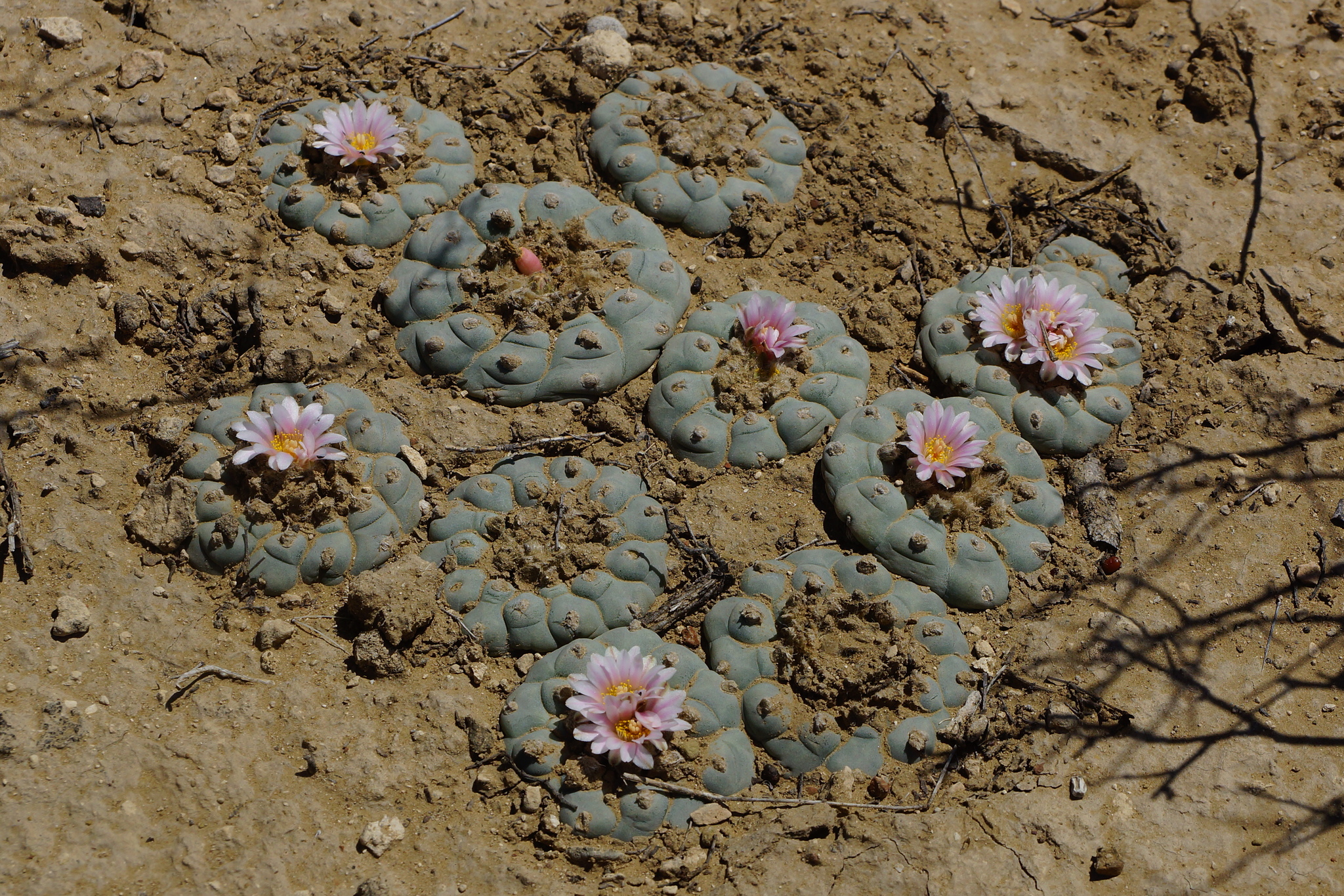
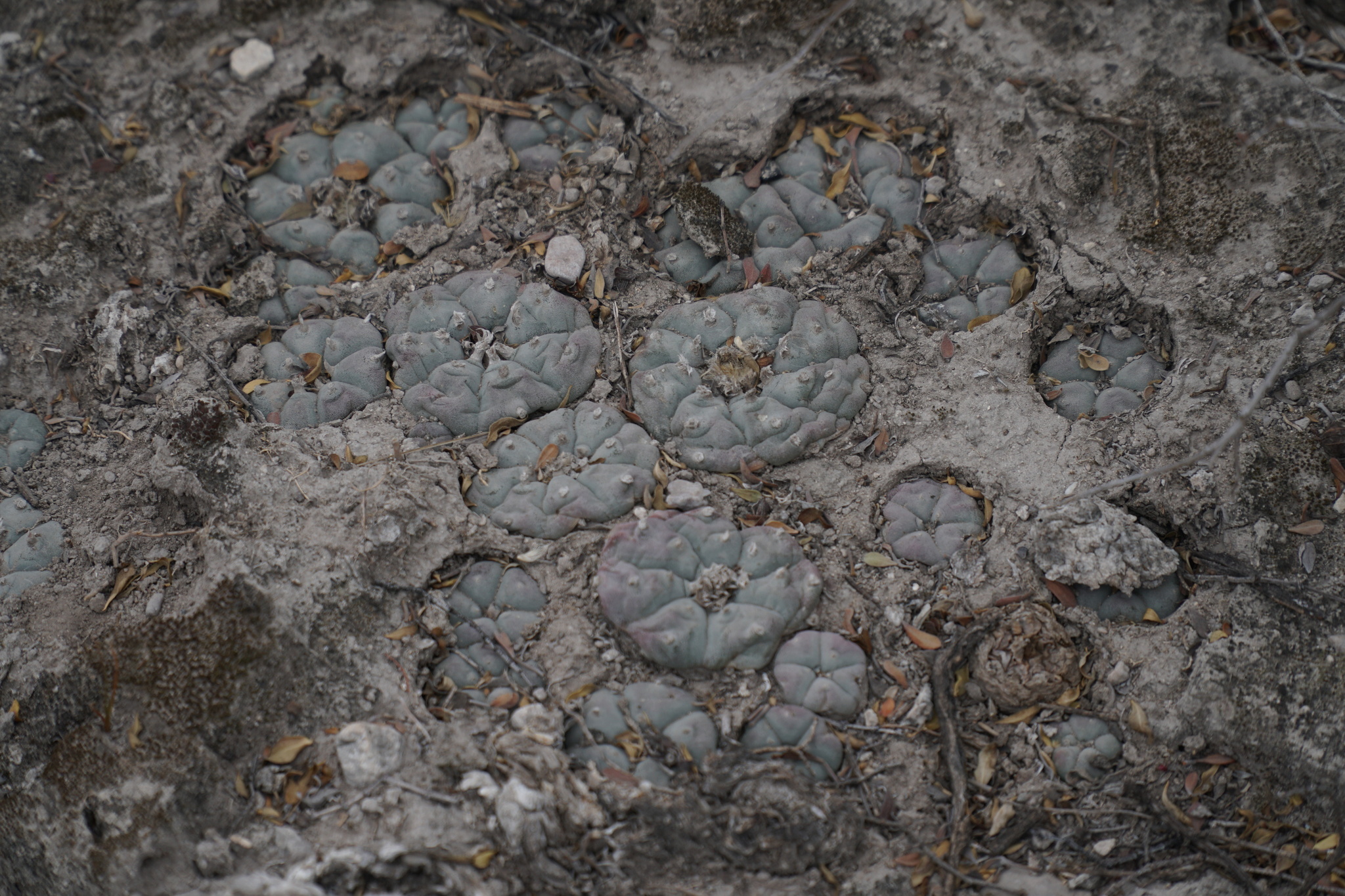
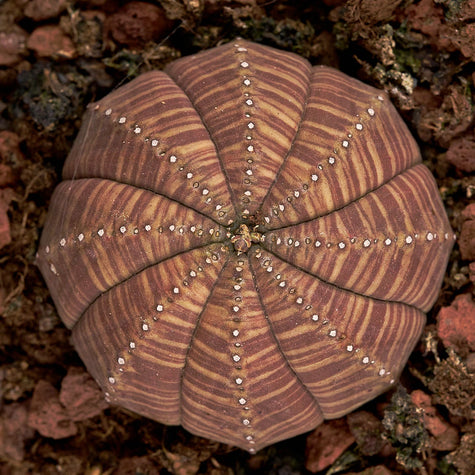
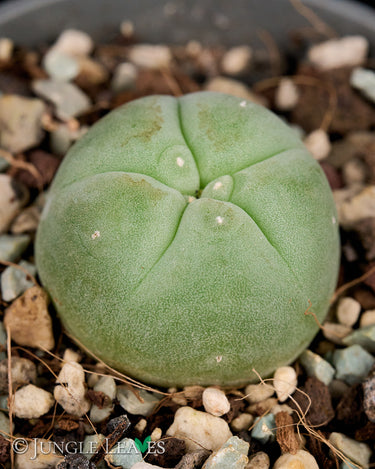
This small, highly decorative cactus originates from a large distribution area, stretching from Texas (USA) in the north to around the city of San Luis Potosí (Mexico) in the south. The species is highly variable, with many different subspecies and forms adapted to local climates. Peyote has a thick, underground stem that serves as a water and nutrient reservoir. The top of the above-ground part, the crown, is small compared to the underground portion and usually consists of one, or in older specimens several, disc-shaped "buttons." These reach a diameter of up to 11 cm and have four to eleven ribs.
In its natural habitat, these knobs stand only a few centimeters above the ground, and during the dry season they shrivel up, retreating even further and practically " sinking " into the soil. Contrary to what one might expect from a cactus, Lophophora williamsii usually does not grow in full sun, but rather sheltered under bushes or among the grasses of the thornbush savanna.
The flowers are pink and white, with stamens that react to touch! If you touch a peyote flower, the stamens quickly bend inwards to press as much pollen as possible onto the supposed pollinator.
Lophophora williamsii is best known, of course, for its long ethnobotanical history. The fresh or dried "buttons" have been consumed for at least 5,500 years. The mescaline it contains causes visual or auditory effects, which are said to trigger spiritual or philosophical insights. The effects last for about 10 to 12 hours. However, peyote can also cause strong nausea and fluctuations in heart rate, blood pressure, and respiration.
You will receive a strong young plant on its own roots, approximately 2 to 2.5cm in diameter, in a 5.5cm pot.
In its natural habitat, these knobs stand only a few centimeters above the ground, and during the dry season they shrivel up, retreating even further and practically " sinking " into the soil. Contrary to what one might expect from a cactus, Lophophora williamsii usually does not grow in full sun, but rather sheltered under bushes or among the grasses of the thornbush savanna.
The flowers are pink and white, with stamens that react to touch! If you touch a peyote flower, the stamens quickly bend inwards to press as much pollen as possible onto the supposed pollinator.
Lophophora williamsii is best known, of course, for its long ethnobotanical history. The fresh or dried "buttons" have been consumed for at least 5,500 years. The mescaline it contains causes visual or auditory effects, which are said to trigger spiritual or philosophical insights. The effects last for about 10 to 12 hours. However, peyote can also cause strong nausea and fluctuations in heart rate, blood pressure, and respiration.
You will receive a strong young plant on its own roots, approximately 2 to 2.5cm in diameter, in a 5.5cm pot.
Care tips
Light & Location
Substrate & Repotting
Watering & Fertilizing
What makes us at Jungle Leaves special!


Welcome
Bring the Tropic to Your Home
Jungle Leaves is a team of 3 biologists who breed, propagate and sell extraordinary and unique plants from all over the world, also in cooperation with botanical gardens.